
All Aboard: Ride History on the Grand Canyon’s 250th Birthday Train
"Celebrate America’s 250th birthday in style! Discover the story behind the Grand Canyon Railway’s stunning 'America’s 250th Birthday Train' and how you can join the journey this summer."
JUNE 2026THE AGENDA
Introduction to America’s 250th Birthday Train
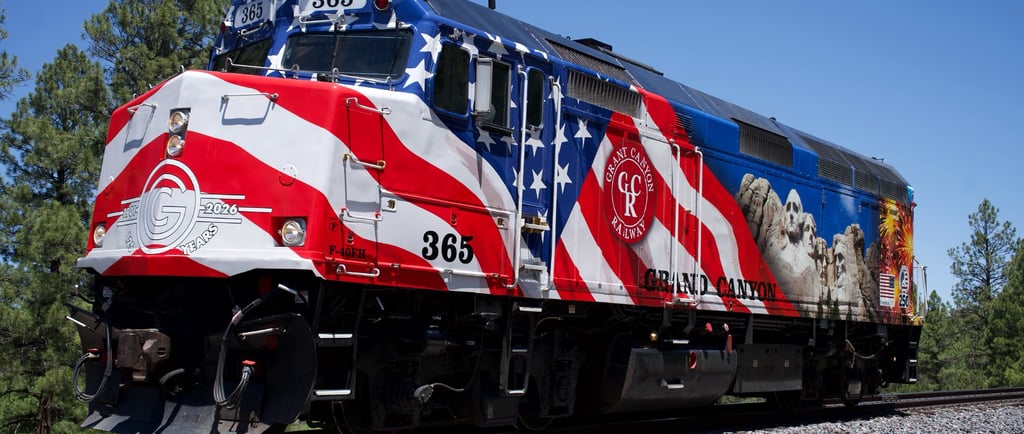
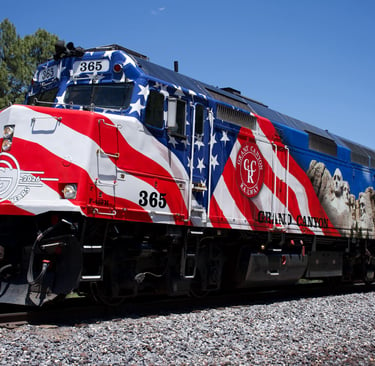
If you’re looking to celebrate America’s 250th birthday in true Arizona fashion, pack your bags and head to the rails. This summer, the Grand Canyon Railway is turning heads—and tracks—with their stunning "America’s 250th Birthday Train."
The railway’s flagship locomotive has been freshly wrapped in a bold red, white, and blue design, complete with iconic American imagery. It’s a rolling, rhythmic tribute to our nation's history, running daily from Williams, Arizona, to the South Rim of the Grand Canyon. It’s not just a commute; it’s an immersive, moving piece of Americana that invites you to reflect on 250 years of our nation's story.
A Summer of Milestone Celebrations
This train is part of a much larger wave of national pride sweeping across the country as we count down to July 4, 2026. While the Grand Canyon Railway offers an unforgettable way to experience the Southwest, the spirit of the Semiquincentennial is taking many forms:
Nationwide Community Spirit: From local concerts featuring American classics to community block parties, neighbors are finding unique ways to gather and celebrate.
The "Great American State Fair": On a national scale, the Freedom 250 initiative is bringing the celebration to the National Mall in Washington, D.C., with exhibits, performances, and the "Great American State Fair," highlighting the diversity and resilience of our states.
A Season of Reflection: Whether you’re catching a local performance or traveling by rail, 2026 is shaping up to be a year where we honor our past while looking toward the future.
The Grand Canyon Railway is even offering special commemorative rates for those looking to stay at their hotel this summer. It’s a fantastic way to cap off a trip to the canyon while celebrating the 250th anniversary of the signing of the Declaration of Independence.
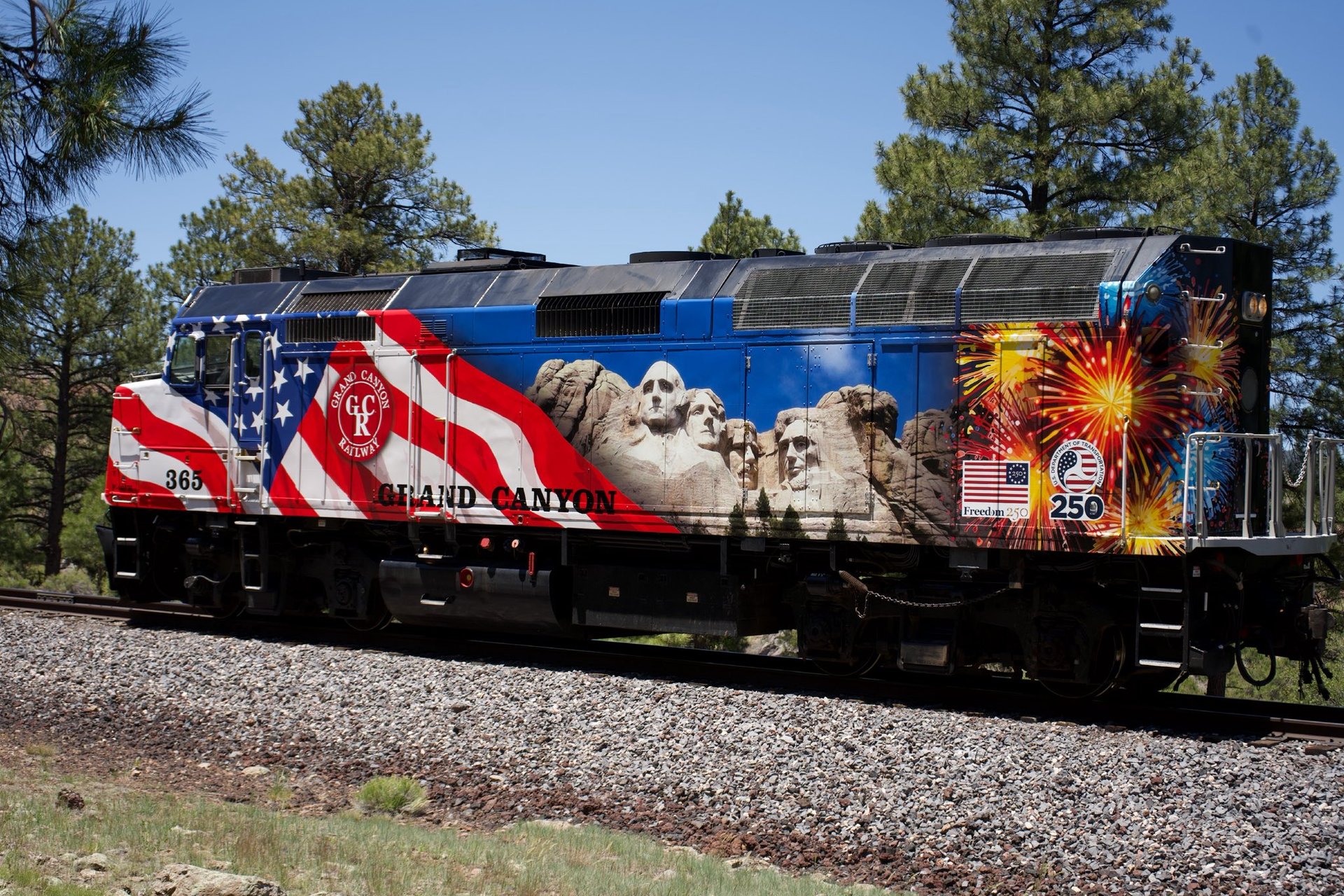
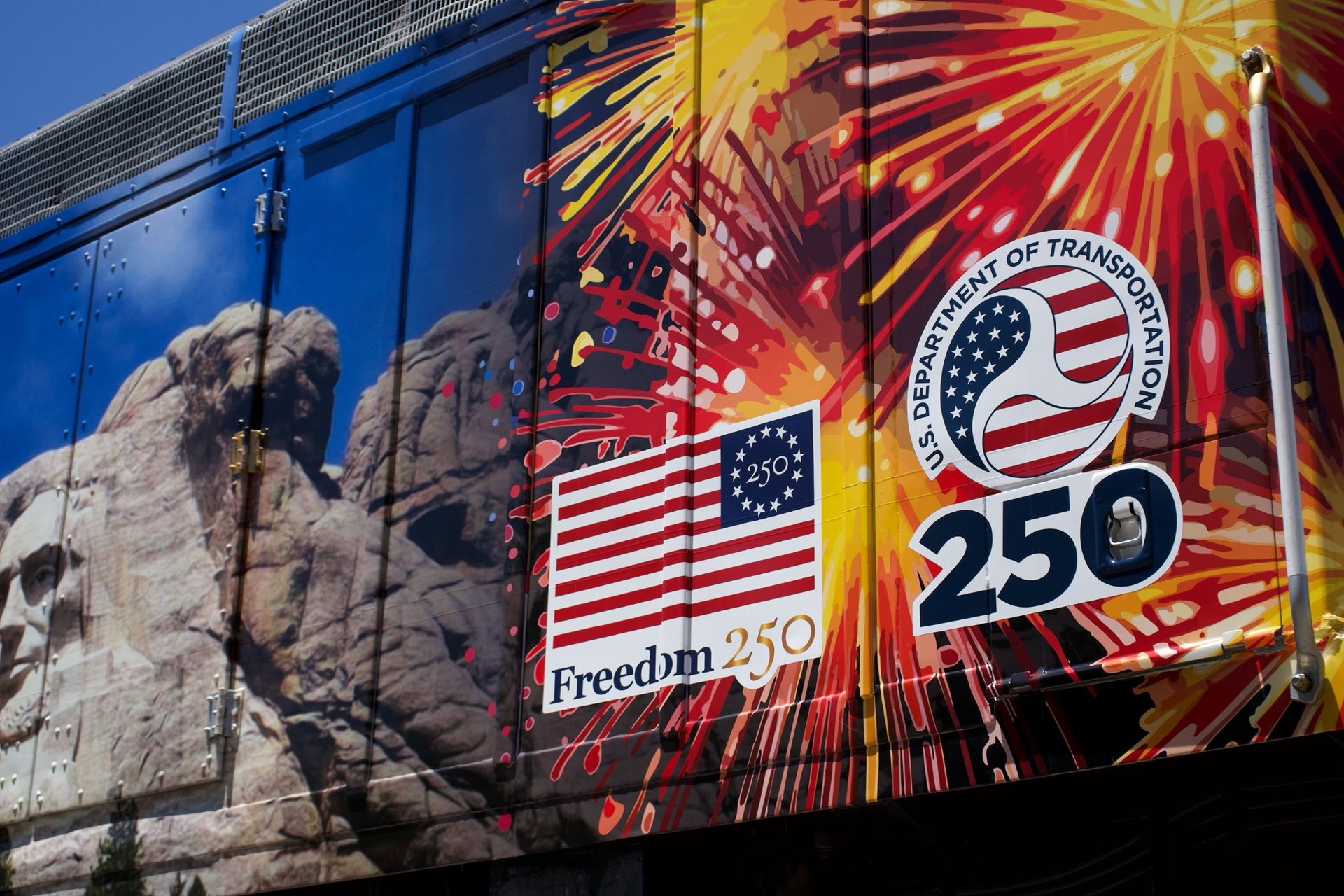
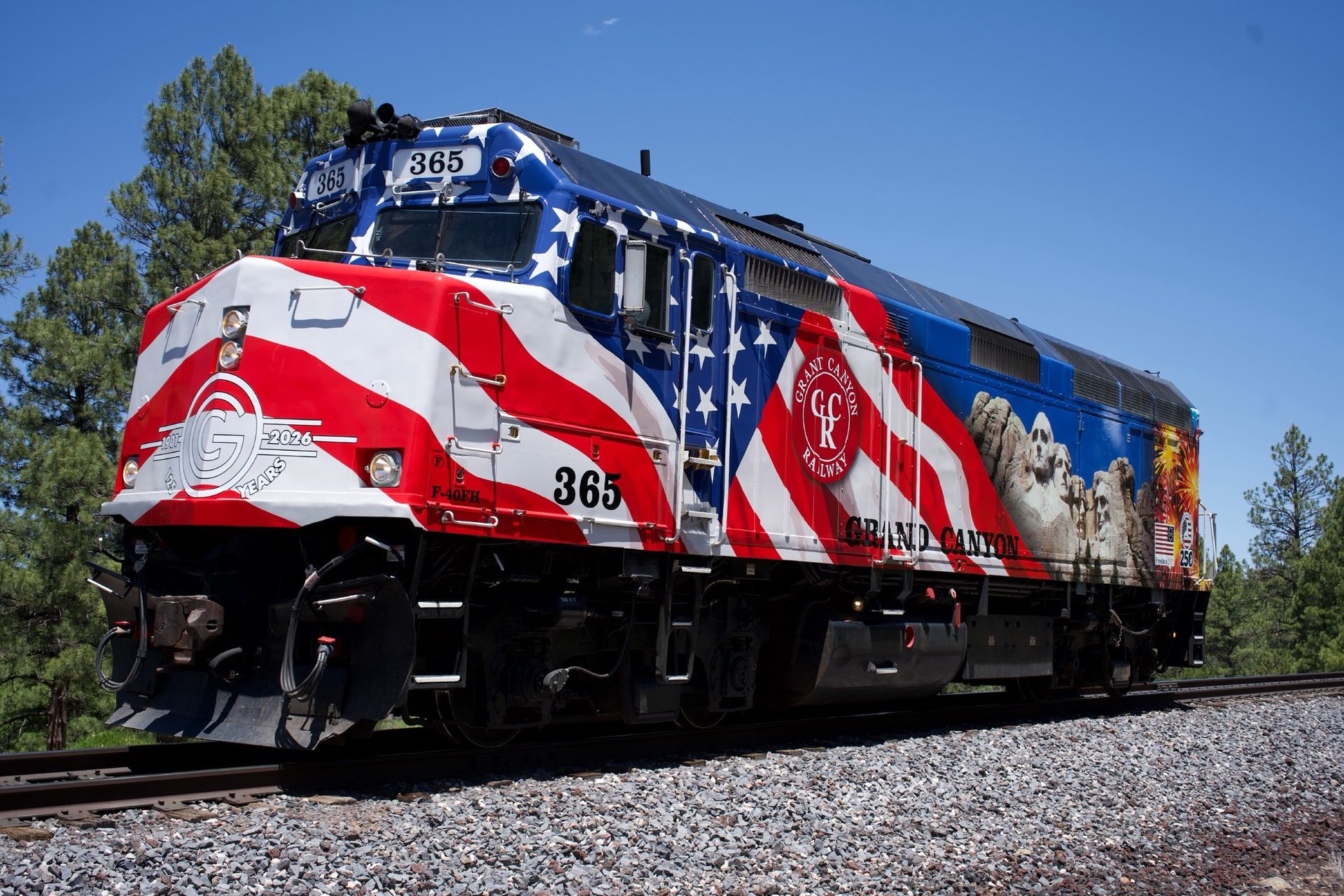
So, grab your camera and head to Williams. Whether you're a train enthusiast or just looking for a meaningful way to mark this historic milestone, this is one journey that honors the "sea to shining sea" beauty of our country.
For more on the nationwide celebrations, check out America250.org for events happening in your local area.
This next month leading up to the 4th of July should be a time of national pride, fun, and reflection. This train is a stunning reminder of how travel connects us to our shared history.
Celebrate America's 250th Anniversary on the Grand Canyon Railway
This train offers a beautiful look at the spirit of rail travel through the Southwest, perfectly capturing the sense of adventure accompanying this year's landmark 250th-anniversary celebrations.
Recent Articles
Daily Phoenix © 2026
Daily Phoenix is Arizona’s premium digital magazine for faith‑forward leadership, community resilience, and local governance.
Reframe your inbox
Subscribe to our newsletter and never miss a story.
We care about your data in our privacy policy.