
Embracing Desert Minimalism: Designing a Phoenix Space for the Heat
In a city defined by the sun, fighting the heat is a losing battle. Discover how to reclaim your sanctuary with "Desert Minimalism"—a design philosophy that strips away thermal clutter, prioritizes breathable materials, and uses intentional, cooling habits to transform your home into a quiet retreat. From the hidden efficiency of solar ovens to the art of managing natural airflow, learn how to stop fighting the Sonoran landscape and start thriving in it. Read more on Daily Phoenix and explore our guide to living with the season.
JUNE 2026SOUND MIND LIVING


Understanding Desert Minimalism
Living in the Valley of the Sun, we are defined by the desert. It is a landscape of stark beauty, expansive horizons, and, for several months of the year, intense, unrelenting heat. When you move to Phoenix, your first instinct might be to fight the climate—to blast the air conditioning and shut out the world. But those who truly thrive here learn to do the opposite: they lean into the desert.
"Desert Minimalism" is not just an aesthetic; it is a lifestyle philosophy. It is the art of paring down, stripping away the excess that traps heat and demands maintenance, and designing a space that breathes. By embracing intentional, cooling design and shifting our habits to match the rhythm of our environment, we create homes that aren’t just shelters from the heat, they are sanctuaries of calm.
The Principles of Cooling Minimalism
In Phoenix, clutter is more than just an eyesore; it is a thermal hazard. Surfaces, fabrics, and heavy decor absorb heat throughout the day, releasing it back into your living space at night and forcing your HVAC system to work overtime.
1. The Power of "Less-Is-More" Surfaces
Start by evaluating your interior surfaces. In the high heat of July and August, plush carpets and heavy, synthetic fabrics feel stifling. Minimalist desert design favors cool-touch materials: polished concrete, large-format ceramic tile, or natural stone. These materials stay significantly cooler underfoot and don’t trap the dust and allergens that are so prevalent in our arid environment. If you love rugs, opt for flat-weave cotton or jute, which allow for better airflow.
2. Light, Reflective, and Breathable
Our color palette should mirror the desert floor—sandy beiges, muted terracottas, and soft, limestone whites. These shades are not just stylish; they are functional. By choosing light-reflecting colors, you minimize heat absorption. Layer in breathable textiles like linen or high-thread-count cotton for your window treatments and bedding.
I have had kids toys and window treatment singed from the sun. Keep that in mind when decorating. The intense Arizona sun can be a fire hazard and if you are not used to living in the Valley.
3. Window Strategy
The most significant heat gain in any Phoenix home happens through glass. Desert minimalism demands a rigid commitment to window management. Invest in cellular shades or blackout curtains that provide a high R-value (insulation). During the peak of the day, your home should be "buttoned up," with window coverings closed to block the direct solar gain, opening them only in the cool, early morning hours to allow for a cross-breeze.
Taking the Kitchen Outside: The Crockpot Strategy
One of the greatest sources of internal heat during a Phoenix summer is your oven and stovetop. Turning on an oven at 4:00 PM on a 115-degree day is a recipe for a kitchen that stays hot until midnight.
This is where the "outdoor kitchen" concept becomes essential, even for those with modest homes. You don’t need a built-in barbecue island to cook outside. A simple, shaded patio area or even a side table tucked into a breezeway can serve as your seasonal kitchen.
The Crockpot is your best friend in the desert. Because it is an enclosed, low-temperature cooking vessel, it doesn’t throw off the ambient heat that a standard oven does. By setting up your slow cooker on a shaded patio table with an extension cord, you can prepare hearty meals—shredded chicken for tacos, braised beef, or bean stews, without ever raising the temperature inside your house.
Tip: Always place your slow cooker on a heat-resistant surface away from direct afternoon sun. If you have an outdoor outlet, use it. If not, use a heavy-duty, outdoor-rated extension cord. (Be safe and follow guidelines)
Safety: Ensure the space is protected from the wind, as extreme desert gusts can tip over or cool down the sides of the cooker, affecting your cook time.
Harnessing the Sun: The Solar Oven
If you want to fully commit to the desert lifestyle, look no further than the ultimate minimalist tool: the solar oven. It is a device that does exactly what it sounds like—it uses the sun’s energy to cook your food, completely eliminating the need for electricity or gas.
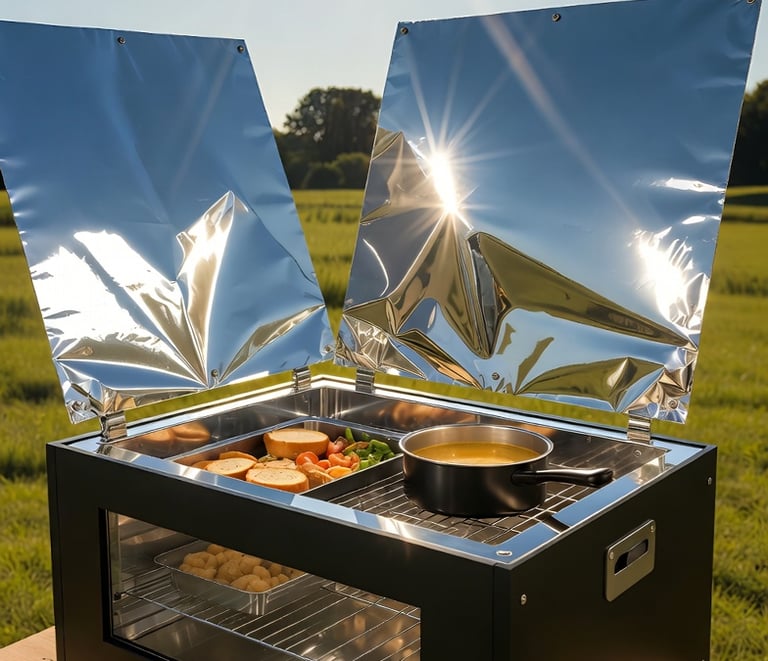
A solar oven works on a simple, brilliant principle: insulation and reflection. It typically consists of a box lined with reflective material (like foil or specialized polished metal) that directs sunlight into a central compartment. This compartment is then sealed behind a glass or clear plastic lid.
The box acts as a thermal trap, known as the "greenhouse effect." The sun’s light enters, converts to heat upon hitting your cooking pot, and gets trapped inside the insulated walls. In the Phoenix summer, a solar oven can easily reach temperatures between 250°F and 350°F—plenty of heat to bake bread, roast vegetables, or slow-cook proteins.
In the mood for cookies? You can bake them this way. Kids love watching this kind of activity so it is fun for families.
Why go solar?
Zero Heat Gain: You are literally moving your kitchen to the source of the heat. The temperature inside your home remains untouched.
Self-Reliance: It’s a perfect tool for our region, especially during peak energy demand periods when the grid is strained.
Intentionality: Solar cooking forces you to slow down. It’s a practice in patience that perfectly aligns with the Sound Mind approach to living—working with the environment rather than against it.
The "Sound Mind" Connection: Living with the Season
Adopting desert minimalism isn't just about saving on utility bills; it’s about mental load management. The heat of the Arizona summer can be physically draining, and when your home is cluttered or inefficient, that stress is magnified.
A minimalist home is quiet. When you reduce the "visual noise"—the piles of mail, the unused decorative items, the heavy drapes—you create a space that allows your nervous system to recover. In a city that is growing as rapidly as ours, having a home that is an intentional, cooled-down retreat is vital for maintaining a sound mind.
The Daily Rhythm
Shift your chores to the "cool hours." Do your intensive work, your gardening, or your heavy outdoor tasks in the early morning or after sunset. Mid-day should be reserved for low-energy activities: reading, administrative tasks, or simply resting in a shaded, well-ventilated space.
"Desert Minimalism is not just an aesthetic; it is a lifestyle philosophy."
This seasonal shift is not about "waiting for the winter." It is about appreciating the unique cycle of the desert. When you stop fighting the reality of the 115-degree afternoon and start building your life around the natural cooling cycles, you stop being a visitor to Arizona and start being a resident of the Sonoran Desert.
Final Thoughts for the New Resident
As you settle into your new home, remember that design is an evolution. You don't have to overhaul your space in a week. Start with the small, high-impact changes: switch out your heavy curtains, identify a shaded spot for your crockpot, and experiment with outdoor cooking.
Phoenix is a city of transformation, and your home is the perfect place to start. By paring down to the essentials and respecting the incredible power of our desert sun, you’ll find that you don't just survive the heat—you learn to live, breathe, and thrive in it.
Welcome to the Valley, and welcome to your new, intentional way of life.
Recent Articles
Daily Phoenix © 2026
Daily Phoenix is an online magazine that keeps you up to date on what matters.
Reframe your inbox
Subscribe to our newsletter and never miss a story.
We care about your data in our privacy policy.