
Beyond the Blueprint: Navigating the Real Challenges of Multigenerational Living Under One Roof
Uncover the unedited realities of living in a busy, multi-generational household of seven. From conflicting daily rhythms and carving out personal space to managing invisible mental loads, discover practical strategies for keeping your peace while nurturing family harmony.
SEPTEMBER 2026SOUND MIND LIVING


Beyond the Blueprint
There is a romanticized picture of multigenerational living that we often see in home design magazines and modern lifestyle blogs. We picture cozy evenings gathered around a large dining table, built-in childcare with grandparents reading bedtime stories, and a shared financial weight that lifts the heavy burden of modern mortgages. When I wrote about the wonderful upsides of bringing multiple generations together, those are the exact images that came to mind. But living it day in and day out in a busy household of seven—balancing my work and juggling family commitments, and sharing space with my spouse, children, and mother-in-law—taught me that reality is a bit more textured than a glossy brochure.
Multigenerational presents many challenges. With an aging population and rising home prices many people are looking for solid advice on how to make this work. When you pack different generations, distinct schedules, diverse communication styles, and multiple personalities under a single roof, friction is inevitable. If you are considering making the leap or are currently navigating the complexities of a multi-adult household, it helps to look past the picture-perfect ideals and tackle the real, everyday challenges head-on.
The Collision of Different Daily Rhythms
One of the first hurdles we faced wasn't a major family dispute or a financial disagreement; it was simply the logistics of time. Different generations operate on entirely different schedules and internal clocks. Teenagers moving slowly in the mornings, adults rushing out the door for professional and creative deadlines, and older family members who value a peaceful, quiet start to their day can easily clash.
When everyone needs access to the same common spaces—whether it is the kitchen counter to pack lunches, the primary hallway, or just a quiet corner of the living room—minor bottlenecks quickly turn into major stressors. Learning to navigate these overlapping rhythms requires conscious choreography. It taught me that harmony under one roof doesn't happen by accident; it requires clear boundaries, flexible expectations, and a lot of grace.
When life pulls you in seven different directions—literally and figuratively—you realize that peace isn't found by eliminating every external chaos. Instead, it is built by prioritizing a steady mindset amidst the noise.
Protecting Personal Space in Shared Quarters
Even the closest families need breathing room. When you share a home, physical space is finite, but the need for emotional and psychological space is infinite. One of the hidden challenges of a packed house is the sheer lack of privacy, whether it be for personal space or to have a conversation. If you are an introvert or someone who needs quiet time to process thoughts—something I often lean on when writing or working on my books—constant background activity can feel overwhelming.
Creating boundaries isn't about pushing people away; it's about preserving your own mental well-being so you can show up fully for the people you love. Establishing clear signals for private time, carving out specific physical zones in the home, and respecting each other's need for quiet hours are essential strategies for long-term household survival.
When talking with other multigenerational families with our dynamic, we have found that many find peace in an evening walk. Walking is great for mental health and it is one of the more practical ways to connect with your neighbors too. When you live in a multigenerational household a nightly walk may feel like a necessity for personal space rather than a nice idea.
Navigating the Mental Load and Communication Styles
In any household, the invisible mental load—keeping track of grocery lists, school schedules, home maintenance, and daily care—is heavy. In a multigenerational home, that load multiplies because different generations often carry different assumptions about how things "ought" to be done. Cultural differences, generational habits, and varied expectations regarding cleanliness, cooking, and child-rearing can create silent resentments if they aren't brought out into the open.
Speaking with other multigenerational households, we have found that food is the number one source of contention. Almost everyone we speak to says the same thing whether their in-laws are from Ghana or if they grew up next door. Different generations almost always have vastly different expectations about how meals are to be prepared and served. Some people expect dinner to be served promptly at five o'clock sharp; spoons in bowls, butts in seats while others don't care as long as there is no broccoli.
Addressing these challenges requires moving past passive frustration and embracing direct, compassionate communication. This is easier said than put into practice. It means recognizing that what works for one person's routine might not align with another's, and finding compromises that honor everyone's contributions to the household ecosystem.
Finding a Sound Mind in the Midst of Chaos
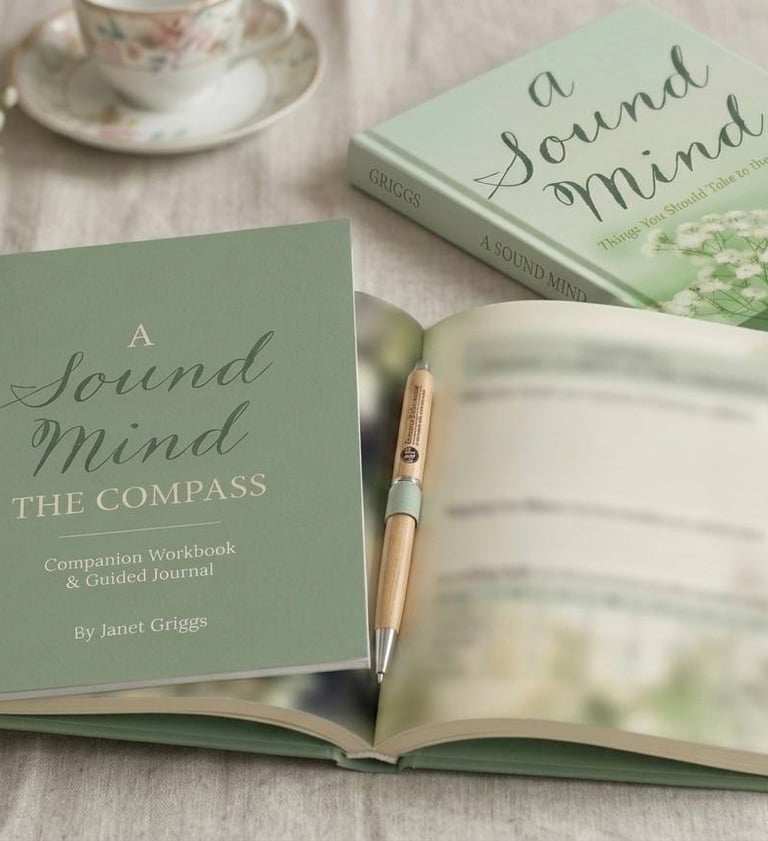
Juggling the beautiful, messy realities of a large household while managing professional projects and personal goals is a constant exercise in perspective. It was this exact search for clarity, emotional resilience, and balance that inspired much of my writing, including my memoir, A Sound Mind: Things You Should Take to the Grave. When life pulls you in seven different directions—literally and figuratively—you realize that peace isn't found by prioritizing every external chaos. Instead, it is built by cultivating a steady mindset amidst the noise.
If you are walking this path, know that feeling stretched thin on difficult days doesn't mean you are failing at family harmony. It just means you are human, navigating a complex and deeply rewarding way of life. By leaning into open communication, setting realistic expectations, and honoring the unique gifts that every generation brings to your front door, you can move past the initial growing pains and build a truly resilient home.

Recent Articles
Daily Phoenix © 2026
Daily Phoenix is Arizona’s premium digital magazine for faith‑forward leadership, community resilience, and local governance.
Reframe your inbox
Subscribe to our newsletter and never miss a story.
We care about your data in our privacy policy.