
Chasing Cascades: Arizona’s Hidden Aquatic Wonders
Discover Arizona’s refreshing side. From the hidden pools of the Grand Canyon to urban oases like Arizona Falls, explore the state’s most stunning cascades and learn the importance of preserving these fragile desert treasures.
JULY 2026SOUND MIND LIVINGTRAVEL & ESCAPES


Introduction to Arizona’s Aquatic Treasures
Arizona is often defined by its arid beauty, the stark silhouettes of saguaro cacti against a burning orange sunset, the endless expanse of the Painted Desert, and the sun-baked silence of the canyon floor. Yet, for those who know where to look, Arizona hides a secret, refreshing side: a collection of waterfalls that defy the desert’s dry reputation. These cascades are not just scenic detours; they are testaments to the resilience of the land and the surprising power of water in an environment known for its scarcity.
From hidden turquoise pools deep within the Grand Canyon to the man-made marvels in our urban core, Arizona’s waterfalls offer an escape that is as rugged as it is rewarding.
The Diverse Anatomy of an Arizona Waterfall
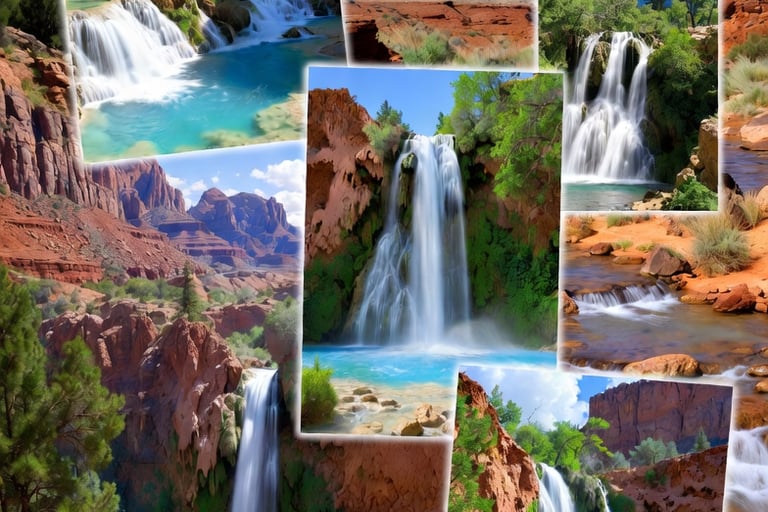
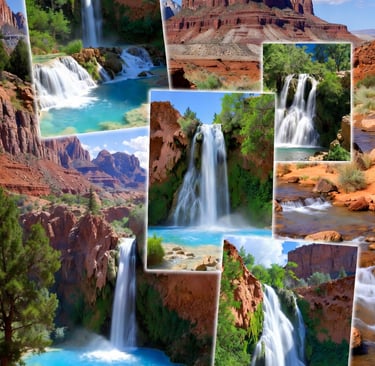
The magic of an Arizona waterfall lies in its seasonality and context. Some, like the famous falls of the Havasupai Reservation, are year-round sanctuaries fed by hidden aquifers. Others are ephemeral treasures, springing to life only after the winter snowmelt from the White Mountains or the violent, life-giving surge of a summer monsoon.
Seven Falls: The Sabino Canyon Jewel
Tucked away near Tucson, Seven Falls is perhaps the quintessential Arizona waterfall experience. It features a series of cascades tumbling down natural stone steps. The journey to reach them is part of the allure, involving multiple stream crossings that weave through the iconic Sabino Canyon. It is a place that reminds us of the delicate balance between the harsh desert sun and the cool, rushing water that allows life to thrive here.

Tonto Natural Bridge: A Geological Masterpiece
North of Payson, you will find the Tonto Natural Bridge, which boasts the title of the world’s largest travertine bridge. While the bridge itself is the main attraction, the water that carved it is equally mesmerizing. The creek flows beneath massive limestone arches, creating a subterranean atmosphere that feels worlds away from the desert surface above. It is a powerful reminder of the geological history that shaped our state.
Arizona Falls: An Urban Oasis
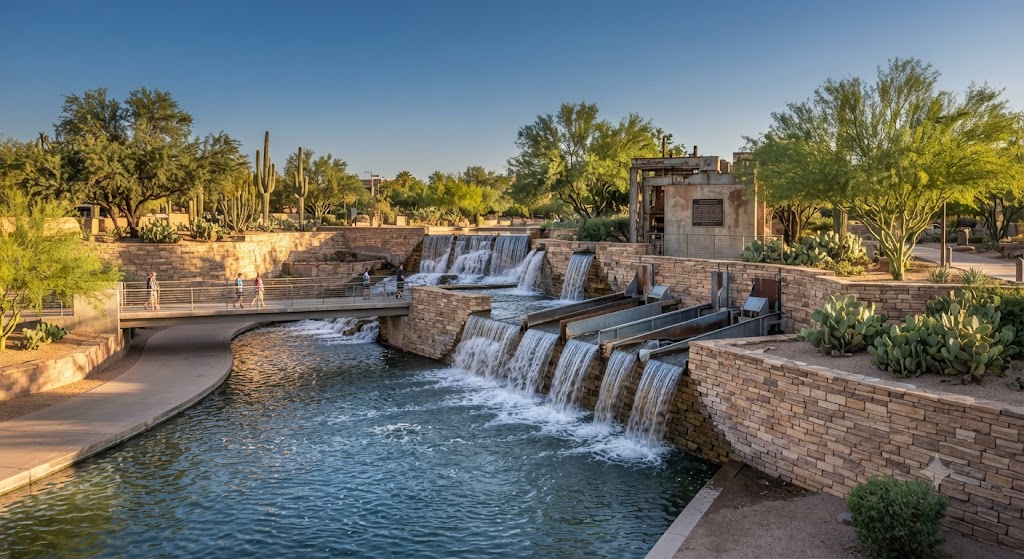
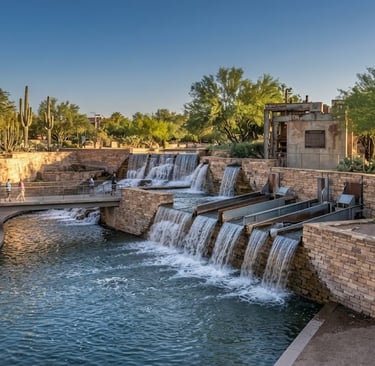
Not all falls require a trek into the wilderness. In the heart of the Valley, Arizona Falls on the Arizona Canal is a unique fusion of history and modern design. Once the site of Phoenix’s first hydroelectric plant, this revitalized space now serves as a community gathering spot where the soothing sound of falling water provides a peaceful refuge amidst the city’s bustle. It demonstrates how we can integrate our natural desire for water into the very fabric of our modern lives.
The Legend of the Chocolate Falls
Perhaps no natural feature in Arizona carries as much mystery and reverence as the Grand Falls. Often nicknamed "Chocolate Falls" for the rich, mud-heavy brown water that plunges 185 feet into the Little Colorado River, these falls were—until recently—a bucket-list destination for adventurers and photographers across the country.
Created by a volcanic eruption over 100,000 years ago, when lava from the nearby Merriam Crater dammed the river, the falls were a spectacular, albeit temperamental, sight. They didn't flow year-round; instead, they roared to life only during the spring thaw or following heavy monsoon rains, creating a churning, mocha-colored spectacle that was actually taller than the American side of Niagara Falls.
For years, it was a favorite escape for those willing to navigate the unmarked, dusty roads of the Navajo Nation. It was a place where the grandeur of nature met the raw, untamed reality of the desert.
A Sacred Silence
However, it is important to understand why this icon has faded from the public map. As of early 2023, the Navajo Nation has indefinitely closed access to the Grand Falls area to the general public.
The closure was not a light decision, but a necessary one. Over the years, the surge in popularity brought unintended consequences: excessive litter, off-road vehicles tearing through sensitive land, and disrespectful behavior that encroached upon sacred sites and threatened the livelihoods of local residents, including their livestock. The "Chocolate Falls" were never on public land; they were always on the sovereign territory of the Navajo Nation, a place where local families live and maintain their heritage.
The closure serves as a poignant reminder of our responsibilities as guests in Arizona’s wild places. When we visit the desert, we aren't just visiting a "destination"—we are entering a landscape that belongs to history, to indigenous communities, and to the environment itself. The silence that now rests over the falls is not a loss; it is a restoration. It is an opportunity for the land to breathe, for the sacred sites to be protected, and for the local residents to find peace once again.
Respecting the Journey
Arizona’s waterfalls are fragile beauties. Whether you are trekking to the Havasupai reservation, exploring a seasonal pool in the Superstition Mountains, or enjoying a local canal trail, the rules remain the same: "Leave No Trace." Pack out what you pack in, stay on marked trails, and always check for permit requirements before you go.
Our state’s heritage is built on a foundation of respect for the land—a land that gives us beauty in exchange for our stewardship. As we look forward to the next generation of Arizona explorers, let us strive to be the kind of visitors who cherish these wonders, ensuring that the water continues to flow, the canyons remain pristine, and the spirit of the desert stays wild and free.
"The silence that now rests over the falls is not a loss; it is a restoration."
Respecting the Journey
Arizona’s waterfalls are fragile beauties. Whether you are trekking to the Havasupai reservation, exploring a seasonal pool in the Superstition Mountains, or enjoying a local canal trail, the rules remain the same: "Leave No Trace." Pack out what you pack in, stay on marked trails, and always check for permit requirements before you go.
Our state’s heritage is built on a foundation of respect for the land—a land that gives us beauty in exchange for our stewardship. As we look forward to the next generation of Arizona explorers, let us strive to be the kind of visitors who cherish these wonders, ensuring that the water continues to flow, the canyons remain pristine, and the spirit of the desert stays wild and free.
Recent Articles
Daily Phoenix © 2026
Daily Phoenix is Arizona’s premium digital magazine for faith‑forward leadership, community resilience, and local governance.
Reframe your inbox
Subscribe to our newsletter and never miss a story.
We care about your data in our privacy policy.