
Ensuring Water Security in Arizona: A Comprehensive Guide for Residents
As we navigate the challenges of 2026, water security remains the most critical issue facing our state. From protecting our Colorado River rights to empowering local groundwater management, the path forward requires innovation, not just regulation.
THE CITIZEN & THE ACTIVISTJUNE 2026


Arizona’s Water Future: A Roadmap for Resilience and Prosperity
Water is the lifeblood of the American West, and for Arizona, it is the fundamental constraint—and catalyst—for our future. As we move through 2026 and look toward the next decade, the conversation regarding water security has moved from a quiet concern to the absolute top priority for our citizens.
There are many ways to approach to this challenge but we should have one that emphasizes individual responsibility, market-based innovation, infrastructure investment, and local control, is the most effective path forward. The goal is not merely to "conserve," but to build a robust, flexible, and sustainable water economy that secures Arizona’s status as a premier place to live, work, and raise a family.
The Landscape: Reality, Not Alarmism
Arizona is a desert. (No Kidding) This is a fact, not a crisis. Our state has a long, proud history of engineering, ingenuity, and adapting to our environment. We have survived previous droughts and demographic booms because we have treated water as a precious commodity to be managed, not a free resource to be squandered.
Today, we face a complex set of challenges:
The Colorado River: As we navigate ongoing shortage conditions, our state entitlement has been reduced. Negotiating fair terms with the federal government and our basin partners is paramount.
Groundwater Management: In rural areas, balancing agricultural heritage, residential growth, and industrial needs requires localized, bottom-up solutions, not top-down mandates from the state capitol or federal agencies.
Infrastructure Aging: A significant portion of our water infrastructure needs modernization to increase efficiency, reduce waste, and improve our ability to store water during wet years for use during dry ones.
The Path Forward: What the Governor and Legislature Must Negotiate
The role of the Governor and the state legislature is not to dictate how every citizen uses water, but to create a legal and economic framework that empowers Arizonans to manage their own resources efficiently. In the coming years, our leaders must focus on four critical negotiation pillars:
1. Protecting Arizona’s Share of the Colorado River
The Governor must continue to advocate for a fair and legally sound distribution of Colorado River water. We cannot allow Arizona to bear a disproportionate burden for the shortcomings of regional management. Negotiating from a position of strength means demanding that all basin states and federal stakeholders, uphold their legal commitments.
2. Empowering Localized Groundwater Solutions
The "one-size-fits-all" approach to groundwater fails to account for the unique hydrogeological conditions across our diverse state. The legislature should prioritize legislation that gives local communities—through Basin Management Areas or similar structures—the power to tailor conservation efforts to their specific economic and environmental needs. This respects the principle of local control and avoids the pitfalls of centralized, bureaucratic regulation.
3. Incentivizing Innovation and Efficiency
Government should not just regulate; it should incentivize. We need to encourage private-sector investment in water-efficient technologies. This includes "ag-to-urban" water transitions that are fair to farmers, support for advanced industrial recycling, and investments in stormwater recharge infrastructure that captures more of our monsoonal rainfall for future use.
4. Clearing Regulatory Hurdles
Too often, bureaucratic red tape slows down the projects that would actually increase our water supply. The legislature must review and streamline the permitting processes for water infrastructure projects, such as new treatment plants, desalination partnerships, and aquifer storage facilities. If a project is scientifically sound and enhances water reliability, the state should clear the path, not build roadblocks.
5. Desalination
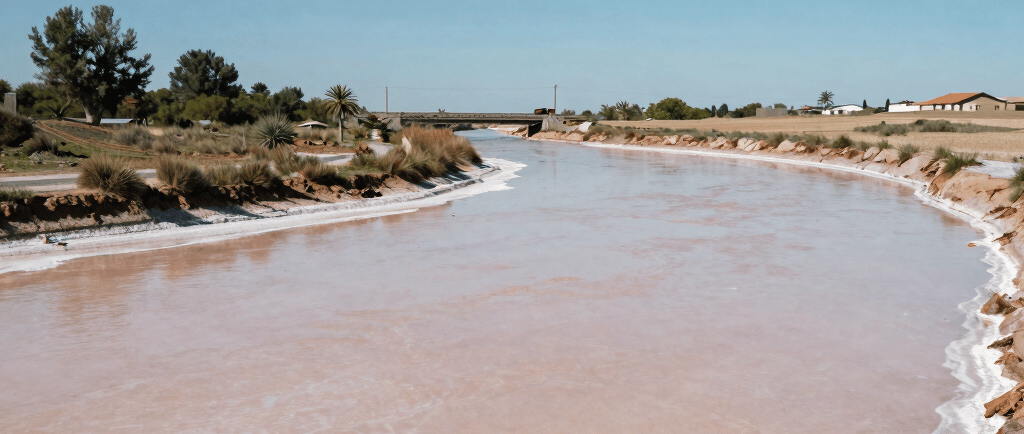
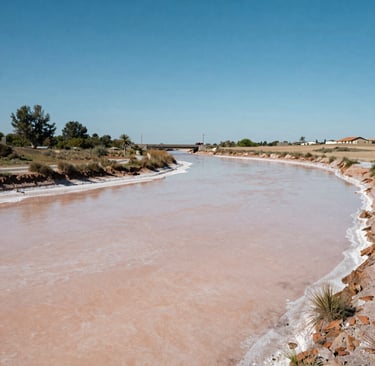
The Yuma Desalting Plant (YDP) is a major piece of water infrastructure located in Yuma, Arizona, designed to treat brackish agricultural drainage water so it can be integrated back into the Colorado River supply. Originally constructed in the 1980s, the plant was built to satisfy treaty obligations with Mexico by reducing the salinity of water delivered downstream. While the facility is capable of processing large volumes of water, it has historically operated only in short-term pilot runs due to complex logistical, financial, and environmental challenges, such as the high energy costs associated with the reverse osmosis process and the need to manage concentrated brine byproduct. In recent years, as Colorado River basin states face increased pressure from drought, the plant has become a focal point in discussions regarding potential new, reliable water sources to augment existing supplies.
The Citizen’s Role: Responsibility and Practicality
Individual Arizonans are the most effective water managers in the state. Conservative water management is fundamentally about stewardship—the idea that we hold our resources in trust for the next generation.
"Our water future is not something that happens to us; it is something we create together through leadership, innovation, and personal responsibility."
Individual conservation does not mean living in a state of scarcity. It means making common-sense, daily adjustments that, when multiplied across millions of households, yield massive results:
Smart Landscapes: Transitioning to xeriscaping or native desert landscaping is one of the most effective ways to reduce residential water usage without sacrificing property value or beauty.
Efficiency Upgrades: Replacing old fixtures (toilets, showerheads, faucets) with high-efficiency models is a simple, cost-effective way to reduce household waste.
Detection and Maintenance: Small leaks can waste thousands of gallons annually. Regularly checking and maintaining home irrigation systems and plumbing is a responsible habit that saves money and water.
Mindful Consumption: Simply being aware of how and when we use water—such as avoiding landscape watering during the hottest, most evaporative hours of the day—is a hallmark of a responsible desert resident.
Building a Legacy of Prosperity
The next decade will define Arizona’s trajectory. By rejecting alarmism and embracing a strategy of proactive, market-driven management, we can ensure that water scarcity never dictates our growth or our standard of living.
A conservative vision for water security is one where the government acts as a reliable arbiter and infrastructure investor, while citizens and businesses are empowered to act as innovative stewards of their own resources. By prioritizing practical, science-based solutions over political grandstanding, Arizona can continue to thrive as an oasis of opportunity in the American West.
Our water future is not something that happens to us; it is something we create together through leadership, innovation, and personal responsibility.
What specific aspect of our current water infrastructure—whether it's urban recycling, rural groundwater management, or Colorado River negotiations—would you like to explore in more detail?
Recent Articles
Daily Phoenix © 2026
Daily Phoenix is an online magazine that keeps you up to date on what matters.
Reframe your inbox
Subscribe to our newsletter and never miss a story.
We care about your data in our privacy policy.