
The Arizona Sports: Fall Previews, Camp Buzz, and the Rise of Multi-Sport Hubs
Get ready for the ultimate fall sports kickoff in the Valley! From Cardinals training camp buzz in Glendale and the electrifying energy of ASU Sun Devils football in Tempe, to the rapid rise of local multi-sport hubs like North Phoenix's Fire 'n' Ice Sports Arena, explore how Arizona's athletic landscape is transforming our communities this season.
JULY 2026THE PULSE
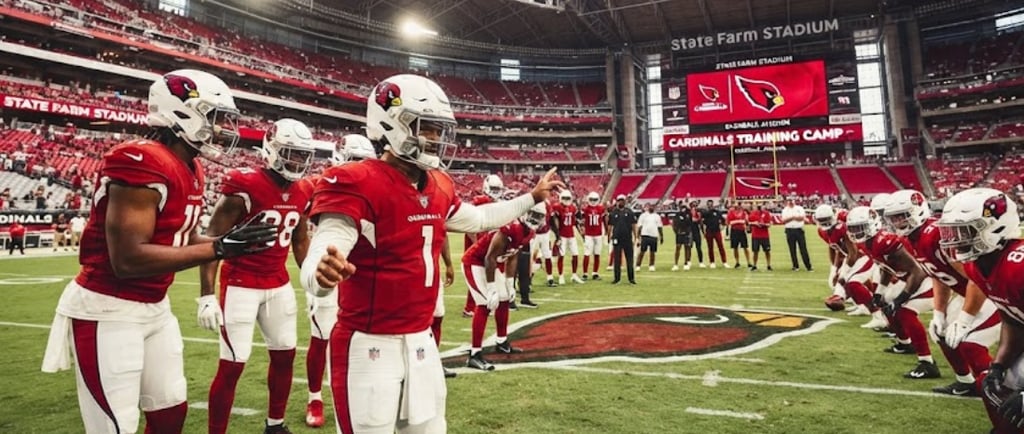
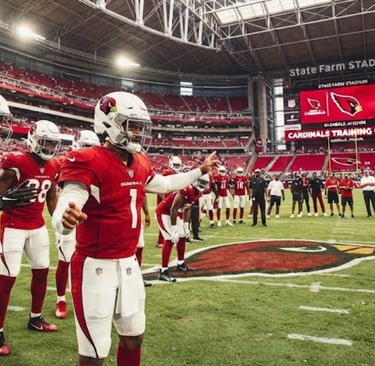
The Vibrant Arizona Sports Scene
There is a very specific kind of quiet that settles over the Valley of the Sun in mid-July. It is the heavy, ambient silence of a 115-degree afternoon when the asphalt radiates heat long after the sun dips behind the McDowell Mountains. For anyone unfamiliar with the rhythm of the desert, this is the dead season—a time when outdoor life retreats indoors and sports fans simply hunker down in the aggressive chill of central air conditioning, waiting for the calendar to turn.
But if you look closer, the surface-level calm is deceiving.
Beneath the summer haze, the gears of Arizona’s sports machine are turning at a breakneck pace. Fall is coming, and in the desert, autumn doesn’t arrive with falling leaves or a crisp morning breeze; it arrives with the roar of a kickoff, the crack of pads hitting pads in the desert heat, and a massive shift in how our local communities gather to play, watch, and live.
From Tempe to Glendale and out to the edges of North Phoenix, the upcoming sports landscape tells a story of transformation. It’s a story defined by a recharged ASU athletics department stepping into a new era of competition, the perpetual optimism surrounding Cardinals training camp, and the rapid rise of multi-sport hubs that are completely reshaping neighborhood engagement across Maricopa County.
1. Gridiron Anticipation: Cardinals Training Camp Buzz
For the Arizona Cardinals, late summer marks the annual migration west to State Farm Stadium in Glendale, where the air conditioning blows cold and the expectations run hot. Entering the new NFL cycle, the buzz around the team feels different—less about sweeping rebuilds and more about foundational growth, execution, and the grit required to punch above their weight in a brutal NFC West.
Training camp in the Valley is a rite of passage for die-hard fans. There is a distinct subculture to attending open practices—securing the early morning entry slots to beat the worst of the outdoor heat, squinting through the glare, and parsing every beat reporter's update on how the offensive line is holding up or which rookie defensive back is stealing the show.
Key Storylines Heading Into the Fall:
Offensive Red-Zone Execution: The narrative around play-calling isn't just about "chemistry"—it comes down to third-down conversion rates and finishing drives inside the 20. Watch whether the play-caller opens up the intermediate passing game early to keep linebackers honest and punch the ball across instead of settling for field goals.
Defensive Personnel & Pass Rush: Surviving the NFC West means neutralizing top-tier quarterbacks without getting gashed on the ground. Keep a close eye on training camp rotations to see who locks down the CB2 spot and whether the front seven can generate consistent pressure out of four-man fronts without relying heavily on risky blitz packages.
Glendale Logistics & Tailgate Culture: Navigating the State Farm Stadium precinct has become as much of a game-day chess match as the matchup on the field. Fans are trading traditional asphalt setups for shade-structured hospitality plazas, while managing the digital shift toward mobile parking passes and stadium-wide cashless concessions before kickoff.
For local supporters, the Cardinals remain a central pillar of the Valley's professional sports identity. As the pads start popping in Glendale, the anticipation isn't just about wins and losses; it’s about reclaiming that Sunday afternoon rhythm that anchors the fall.
2. Collegiate Resurgence: ASU Sun Devils Athletics
Just a few miles east, the campus of Arizona State University is gearing up for a fall sports calendar that promises high-octane entertainment across multiple venues. Tempe in the autumn is electric, fueled by the return of tens of thousands of students and a revitalized athletic department that has learned how to lean into its identity as a premier destination for top-tier collegiate talent.
The Sun Devil football program, in particular, enters the fall carrying the momentum of a culture built on toughness and player development. College football in the Big 12 brings a fresh slate of historic rivalries, new travel destinations, and packed Saturday nights at Mountain America Stadium.

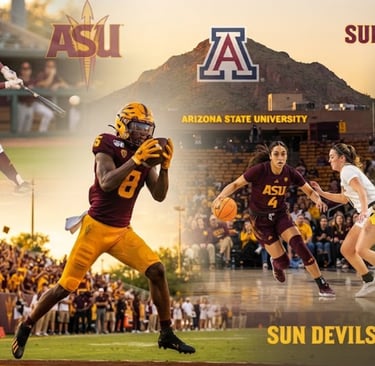
The Atmosphere in Tempe
There is nothing quite like game day on Mill Avenue and around the athletic complex. The tailgates stretch across the sun-drenched lots, a sea of maroon and gold fueled by local food trucks, alumni reunions, and the unmistakable energy of the Inferno student section.
Building Home-Field Advantage: Coaches and players frequently point to the home crowd as the ultimate equalizer against visiting teams unaccustomed to the desert brutal heat.
Beyond the Gridiron: Fall also marks the heavy-hitting opening stretches for ASU’s soccer, volleyball, and cross-country programs. These fall sports offer families and local sports enthusiasts an accessible way to experience Division I competition up close, fostering a deep-rooted community connection that extends well beyond the alumni network.
ASU athletics isn't just a university-town fixture; it’s a regional entertainment anchor. When the Sun Devils take the field or the court, it signals to the entire Valley that the fall sports season has officially arrived.
3. The Neighborhood Anchor: How Multi-Sport Hubs Are Transforming the Valley
While the professional and collegiate stages capture the headlines, a quieter, more profound revolution is happening in our own backyards. For years, suburban growth in places like Gilbert, Chandler, and North Phoenix meant endless housing developments accompanied by sparse public parks. If you wanted to play recreational sports, join a competitive youth league, or find a community gathering space with actual infrastructure, you often had to drive across town.
That dynamic is changing rapidly.
Across Maricopa County, multi-sport complexes and hybrid community hubs are sprouting up, transforming vacant desert plots into vibrant centers of civic life. Take, for instance, developments like the Fire 'n' Ice Sports Arena up in North Phoenix—a massive, multi-million-dollar project designed to anchor a previously underserved corridor with ice rinks, training facilities, and community gathering spaces.
Why Multi-Sport Hubs Matter Now More Than Ever
Year-Round Usability: In the desert, outdoor sports infrastructure has an expiration date during the summer months. Modern indoor-outdoor hybrid facilities provide climate-controlled environments where youth leagues, adult rec teams, and families can stay active 365 days a year without melting on the turf.
Economic and Social Catalysts: These complexes don't just host games; they build micro-economies. Surrounding local businesses—from coffee shops and sports gear retailers to family-friendly restaurants—flourish around these hubs, creating walkable, active nodes in what used to be car-dependent suburban sprawl.
Fostering Real Community: In an era where digital screens and remote work tend to isolate us, physical sports hubs act as modern-day town squares. They are where parents compare notes on the sidelines, where teenagers find positive after-school outlets, and where neighborhoods forge a collective identity.
"Fall in the Valley is almost here, and there is plenty of room on the sidelines for everyone."
Whether it’s a state-of-the-art multi-sport arena in North Phoenix or a heavily utilized neighborhood soccer complex in the East Valley, these facilities prove that sports in Arizona are about much more than entertainment—they are the mortar holding our rapidly expanding communities together.
Looking Ahead to the Desert Autumn
As the calendar moves closer to September, the oppressive weight of mid-summer begins to yield to the promise of cooler evenings and Friday night lights. The Arizona sports landscape stands at an exciting intersection: professional teams fine-tuning their rosters in air-conditioned comfort, collegiate programs ready to make statements on national stages, and local neighborhoods investing heavily in the physical infrastructure of play.
We live in a region that demands adaptation. Just as older Arizona homes require smart retrofitting to survive the climate, our sports culture requires creativity, indoor-outdoor balance, and a commitment to community connection.
So, grab your calendar, check the kickoff times, and get ready. Fall in the Valley is almost here, and there is plenty of room on the sidelines for everyone.
Local Game Schedules & Valley Sports Calendars
To ensure you never miss a kickoff, game night, or community event across Maricopa County, keep these official local schedules bookmarked:
Arizona Cardinals Schedule: Track official kickoff times, home-game dates at State Farm Stadium in Glendale, and broadcast details through the Arizona Cardinals Official Schedule.
ASU Sun Devils Athletics: Check out multi-sport dates, ticketing info, and home matchups across football, soccer, and volleyball at Sun Devil Athletics Calendars.
Maricopa County Community & Youth Sports: Explore local recreational leagues, adult sports tournament calendars, and facility booking hours via the Maricopa County Parks and Recreation Activities.
Valley Multi-Sport Facility Bookings: Check open-play schedules, public skating hours, and youth league dates for regional hubs like the Fire 'n' Ice Sports Arena.
Recent Articles
Daily Phoenix © 2026
Daily Phoenix is Arizona’s premium digital magazine for faith‑forward leadership, community resilience, and local governance.
Reframe your inbox
Subscribe to our newsletter and never miss a story.
We care about your data in our privacy policy.